ACC-KSC Joint Session (Heart Failure)
Comprehensive Approaches to Managing HF Patients with Obesity

Shelley Hall, MD
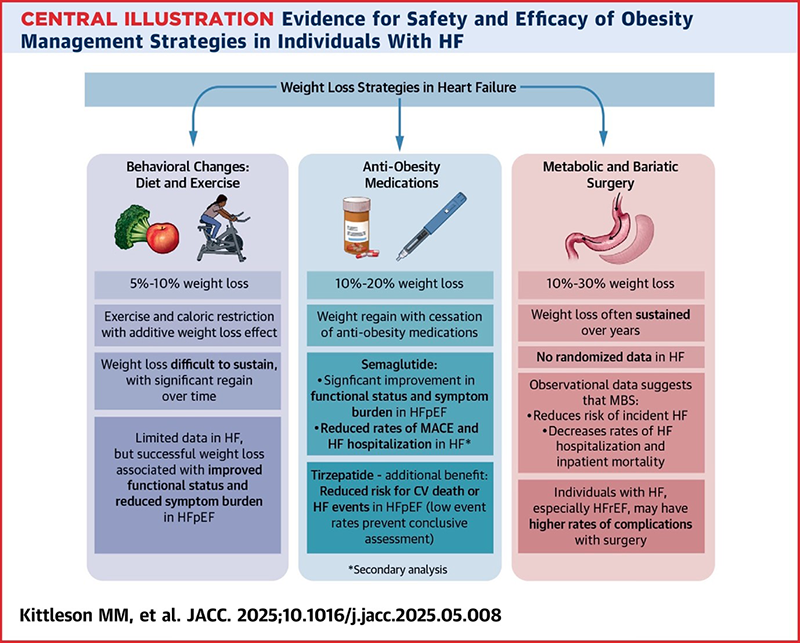
Baylor University Medical Center, USAObesity is one of the fastest growing epidemics in health care worldwide and is a strong risk factor for cardiovascular disease. While Body Mass Index (BMI) has been the traditional method for diagnosis, other tools and measurements have been suggested especially as anthropomorphics around the world vary. Obesity can contribute to many of the signs and symptoms traditionally used for diagnosing heart failure, both systolic and diastolic, thus confounding or delaying diagnosis and therapeutic interventions. The “obesity paradox” also led to misperceptions that excess weight was “protective” in heart failure which has subsequently been disproven. In addition other associated comorbidities including diabetes, hypertension, sleep-disordered breathing, and exercise intolerance are all exacerbated by and contribute to obesity in heart failure. Obesity can interfere with diagnostic testing for heart failure and is well known to lower resting brain natriuretic peptide (BNP) levels which can lead to erroneous missed diagnosis of heart failure. The management of obesity in heart failure requires a multipronged approach including behavioral changes, pharmacologic interventions and sometimes invasive surgeries. Behavioral changes result in the least amount of weight loss and require the most effort by patients who often get frustrated and lose motivation quickly. Various programs with nutritional coaches, apps for food tracking and technology for traching biometrics are just a few methods attempted to assist patients. Newer medications have arisen which produce more weight loss but if patients don’t concomitantly work on their behavior, they usually experience rapid weight regain if these medications are stopped. IN addition the expense of these medications is high and exacerbate the gap in socio-economic disadvantages for many who cannot afford. While surgeries can produce the greatest weight loss, there are surgical risks and many heart failure patients may be unable to undergo such procedures. While reduction in obesity is known to reduce cardiovascular risk, specific mechanisms have not been studied in large randomized controlled trials to confidently recommend any single regimen. Treatment remains a collaborative education and communication between health care providers and our patients to maximize beneficial outcomes.