KSCP & KSC Joint Session
CHIP: Cardiologist's View

June-Wha Rhee, MD.
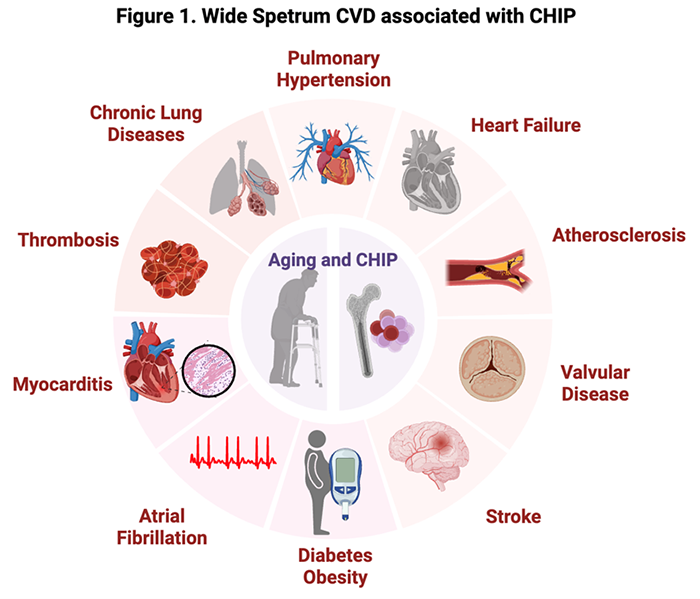
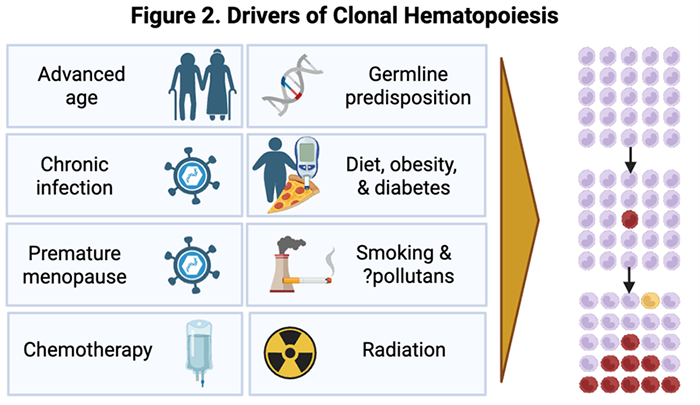
City of Hope Comprehensive Cancer Center, USAClonal hematopoiesis of indeterminate potential (CHIP) refers to the age-related expansion of hematopoietic stem cells driven by leukemia-associated somatic mutations, in the absence of overt hematologic malignancies. Although initially recognized as a pre-leukemic state, CHIP has more recently emerged as a clinically relevant entity in cardiovascular medicine, associated with a wide spectrum of cardiovascular diseases (CVD) such as atherosclerosis, heart failure, atrial fibrillation, and stroke (Figure 1). As a shared risk factor for both hematologic malignancy and CVD, CHIP uniquely bridges oncology and cardiology, with growing evidence that it also drives cardiovascular pathology. Experimental studies suggest that CHIP contributes directly to cardiac pathologies, by enhancing pro-inflammatory cytokine production, activating the inflammasome, and amplifying systemic inflammatory responses. These processes accelerate atherosclerosis, promote thrombosis, and impair both vascular and myocardial function. While chronological age remains the main predictor of CHIP, other contributing factors include inherited genetic predispositions, metabolic dysfunction (e.g., obesity and insulin resistance), chronic inflammatory conditions, and prior exposure to cytotoxic cancer therapies (Figure 2). Recognizing these drivers is important, as they may help identify individuals at heightened risk for CHIP and CHIP-related cardiovascular complications. Despite rapid advances, the clinical integration of CHIP into cardiology practice remains an open frontier. Several key questions remain unanswered, including how to incorporate CHIP into existing cardiovascular risk prediction models, when and how often to screen for its presence, and how best to monitor its evolution over time. Importantly, no CHIP-targeted therapies currently exist, but multiple clinical trials are underway. These include strategies focused on attenuating inflammation or limiting clonal expansion, such as IL-1β and IL-6 directed antibodies, colchicine, and inflammasome inhibitors.